
Choosing the best Industrial Rectifier Transformer manufacturers in 2026 requires more than comparing catalog prices. It demands evidence from demanding operating environments. Steel mills, chemical plants, electrolysis systems, and mining facilities expose transformers to continuous DC loads, harmonics, heat, and frequent power fluctuations. Small design weaknesses become visible quickly.
The International Energy Agency’s Electricity 2024 report projects stronger global electricity demand growth through 2025. Its World Energy Investment 2024 report also estimates global energy investment will exceed 3 trillion dollars, with grid spending remaining a critical priority. These trends increase demand for reliable conversion equipment. However, market growth alone does not identify the most capable supplier. A credible comparison must examine transformer efficiency, cooling design, short-circuit strength, insulation coordination, and service response.
This article evaluates leading manufacturers through practical and technical criteria. It considers converter-transformer experience, IEC 61378 compliance, factory acceptance testing, harmonic performance, and documented delivery records. Site references matter. So do oil temperature readings, sound levels, test certificates, and spare-parts availability after commissioning. Some manufacturers publish impressive specifications but provide limited field evidence. That gap deserves attention. No ranking is flawless, because regional service quality and project conditions can change the result. Buyers should therefore verify technical claims independently and request application-specific calculations. The strongest supplier is not always the largest one. It is the manufacturer that can deliver stable performance, transparent documentation, and dependable support when production cannot stop.
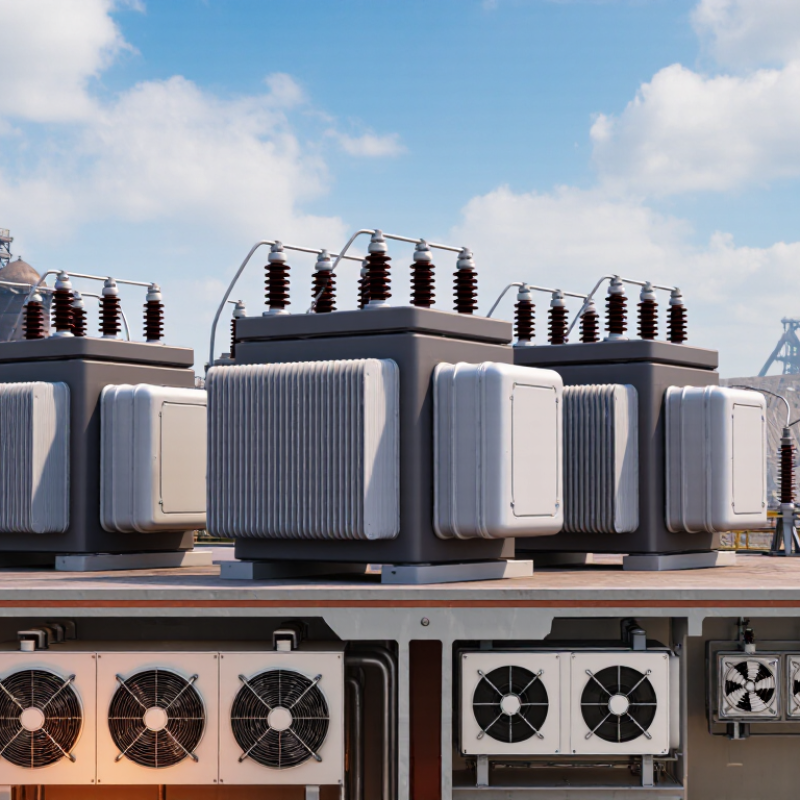
An industrial rectifier transformer is a heavy-duty transformer designed to supply controlled AC power to a rectifier system. The rectifier then converts that AC power into direct current. This distinction matters. The transformer does not perform the conversion alone.
In production plants, this equipment supports electrochemical processing, metal finishing, hydrogen production, and other high-current operations. Its secondary winding is built for repeated current demand and electrical stress. Engineers often specify a phase-shifting design to reduce harmonics in the supply network. Forced-air or oil cooling helps manage heat around the windings, bushings, and connection points. A properly selected unit can operate steadily beside large converters for many years.
Site conditions should guide the design. Dust, humidity, altitude, vibration, and load cycles can change the required insulation and cooling capacity. During inspection, technicians check winding resistance, insulation strength, oil condition, temperature rise, and unusual sound. A small temperature increase may reveal loose connections or poor ventilation. A common mistake is choosing capacity from average load only. Starting currents and future expansion deserve attention. I have seen technically sound projects suffer because cable routing and maintenance clearance were treated as minor details. They were not. The final specification should match the rectifier’s pulse pattern, expected duty cycle, protection system, and applicable electrical standards.
Assessing rectifier transformer manufacturers in 2026 requires more than comparing prices and catalog ratings. Start with operating conditions: rectifier type, pulse number, harmonic spectrum, overload cycles, ambient temperature, and cooling method. A capable manufacturer should convert these details into a documented thermal and insulation design.
Ask for evidence. Request drawings, calculation notes, material traceability, and test records from comparable projects. Factory testing should cover turns ratio, winding resistance, insulation, temperature rise, losses, sound level, and impulse performance where applicable. The supplier should also explain compliance with relevant IEC or IEEE requirements, not simply display certificate copies. Details expose weakness.
Site references are valuable, especially facilities with dusty rooms, frequent starts, or severe load fluctuations. Speak with maintenance engineers, not only sales contacts. Ask how quickly the manufacturer supplied replacement parts and handled abnormal temperature readings. Remote monitoring can help, but sensor accuracy and data ownership need clear terms. A polished digital platform cannot repair poor winding design.
I would also inspect production controls, inspection points, and final packing. Small issues matter: loose cable lugs, unclear terminal labels, or weak corrosion protection can create expensive delays. Lead time should include testing, shipping, installation support, and contingency. My own assessment would still leave room for doubt; factory performance may not fully predict years of harmonic stress. A witnessed test and a practical service agreement reduce that uncertainty.
In 2026, the leading industrial rectifier transformer manufacturers are not simply the largest suppliers. They are companies that understand demanding DC applications, including electrolysis, metal processing, traction, and high-current power systems. Their engineers should calculate harmonic loading, phase-shifting requirements, cooling capacity, and short-circuit strength before proposing a design. A standard transformer may look suitable on paper but fail under continuous rectifier duty.
Look for manufacturers with proven factory procedures and traceable test records. Essential checks include turns-ratio accuracy, winding resistance, insulation resistance, impedance, temperature rise, and partial-discharge performance. For large units, heat-run testing and impulse testing provide stronger evidence than attractive brochures. Ask how the supplier manages oil quality, bushing inspection, vibration control, and transport restraints. Small details matter. A loose connection or poorly supported lead can create expensive downtime.
Reliable manufacturers also provide practical engineering support after delivery. They should review load profiles, harmonic behavior, site altitude, ambient temperature, protection settings, and maintenance access. Clear drawings and spare-parts recommendations reduce confusion during installation. Field experience shows that communication can be as important as electrical design. Still, no supplier is perfect. Some technical proposals remain vague about efficiency at partial load or long-term insulation aging. Buyers should challenge those gaps, compare test evidence, and involve independent inspectors when project risk is high.
Industrial rectifier transformer selection in 2026 depends on more than nameplate power. Engineers examine load cycles, pulse number, harmonic currents, and short-circuit duty. A twelve-pulse unit can reduce characteristic harmonics, while higher-pulse designs may improve power quality. This benefit depends on the converter and upstream network. It is not automatic. Core steel, winding geometry, and electrostatic shielding affect losses and voltage stability. Forced-oil or dry-type cooling must match the site’s fire policy, altitude, dust, and maintenance capacity.
Reliable specifications reference IEC 60076 for power transformers and IEC 60146 for semiconductor converters. IEEE C57 practices can support insulation, testing, and performance decisions. The exact edition and project jurisdiction matter. Engineers should verify creepage, clearance, temperature rise, impulse withstand, partial discharge, and sound limits. Factory acceptance testing should include ratio, polarity, winding resistance, impedance, insulation, and load-related checks. Witness testing is useful, but paperwork cannot replace a clear test plan.
Customization may include dual secondaries, phase-shifting connections, on-load or off-circuit taps, oversized neutral paths, and reinforced terminals. Copper or aluminum windings require a cost and loss comparison. Enclosure ratings, cable entry direction, lifting points, and spare sensors often decide installation speed. Digital temperature monitoring can reveal uneven loading before insulation damage appears. Still, field conditions are easy to underestimate. A transformer sized from average load may overheat during short production peaks. Leave realistic thermal margin, document assumptions, and review the design with operators who understand the daily process.
Choosing the right industrial rectifier transformer manufacturer starts with your project conditions, not a glossy product brochure. Define voltage levels, power rating, rectifier duty, cooling method, insulation class, and expected load cycles. Include ambient temperature, altitude, harmonic exposure, and available installation space.
Ask each manufacturer for drawings, thermal calculations, short-circuit data, and routine test records. A reliable supplier should explain the design in plain language. Factory acceptance testing should cover ratio, winding resistance, insulation performance, temperature rise, and mechanical integrity. Request evidence of quality management and relevant electrical standards. Do not accept vague claims.
Experience matters during site integration. Ask for references from projects with similar power and operating conditions. Speak with maintenance teams, not only sales contacts. Check spare-parts planning, response times, commissioning support, and technician qualifications. A lower purchase price may hide expensive modifications later. Look closely.
Audit the production facility when possible. Observe coil handling, drying procedures, welding quality, and final inspection controls. The manufacturer should identify risks before delivery and document corrective actions. Still, no supplier is perfect. A technically strong factory may communicate poorly, while a responsive supplier may lack deep rectifier experience. Test that relationship with detailed questions and a small design review before signing. That step can reveal uncomfortable gaps.
A practical evaluation model for comparing manufacturers of industrial rectifier transformers. The weighting reflects the technical and commercial factors most commonly reviewed during project qualification, including IEC compliance, thermal performance, harmonic management, reliability, delivery capability, and lifecycle cost.
Use these priorities as a starting point, then adjust the weighting according to load profile, rectifier topology, cooling method, installation environment, and required service life.
Review voltage, power, rectifier duty, pulse number, harmonics, load cycles, and short-circuit duty. Average load alone can mislead. Include realistic thermal margin.
Twelve-pulse designs can reduce characteristic harmonics. Higher-pulse systems may improve power quality. The result depends on the converter and upstream network.
Match forced-oil or dry-type cooling with fire policy, altitude, dust, and maintenance capacity. Site conditions matter greatly. A convenient choice may still create maintenance problems.
IEC 60076 supports power transformer decisions, while IEC 60146 covers semiconductor converters. IEEE C57 practices can support insulation and testing choices. Verify the exact edition and local project requirements.
Testing should cover ratio, polarity, winding resistance, impedance, insulation, temperature rise, and mechanical integrity. Load-related checks are also important. Paperwork cannot replace a clear test plan.
Options include dual secondaries, phase-shifting connections, tap changers, reinforced terminals, and oversized neutral paths. Cable entry direction and lifting points can save installation time. Small details matter.
Compare copper and aluminum windings using purchase cost, losses, temperature rise, and maintenance needs. The cheaper material is not always cheaper overall. Check the calculations carefully.
Request drawings, thermal calculations, short-circuit data, test records, and relevant quality evidence. Ask for references from similar projects. Speak with maintenance teams, not only sales staff.
Observe coil handling, drying procedures, welding quality, and final inspection controls. Ask how corrective actions are documented. No factory is flawless. Detailed questions may reveal uncomfortable gaps.
An Industrial Rectifier Transformer is a specialized power transformer designed to supply controlled, stable power to rectifier systems used in demanding industrial processes. Its performance directly affects energy efficiency, voltage regulation, harmonic management, system reliability, and equipment service life. In 2026, evaluating manufacturers should involve more than comparing prices. Buyers should review engineering expertise, production capacity, quality-control procedures, testing capabilities, delivery performance, technical support, and experience with customized projects.
Leading manufacturers should be able to provide solutions based on required voltage, current, phase configuration, cooling method, insulation class, installation environment, and duty cycle. Important considerations include compliance with applicable international standards, advanced winding and insulation technologies, harmonic reduction, thermal management, monitoring systems, and factory acceptance testing. To choose the right partner, project owners should clearly define operating conditions, performance targets, maintenance expectations, budget, and future expansion plans. A detailed technical proposal, transparent documentation, responsive communication, and dependable after-sales service can help ensure that the selected manufacturer delivers a safe, efficient, durable, and properly customized rectifier transformer solution.