How to Choose a Cast Resin Dry Type Transformer in 2026?
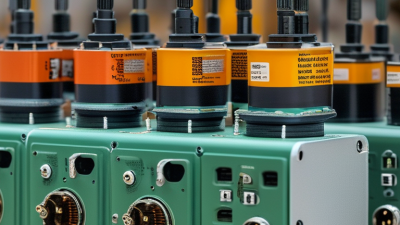
Choosing a Cast Resin Dry Type Transformer in 2026 requires more than comparing price, capacity, and delivery dates. The right decision begins with the installation itself: a dusty workshop, a humid coastal plant, a hospital basement, or a rooftop substation each creates different risks. Load profiles matter too. Motors, variable-speed drives, solar inverters, and data-center equipment can produce harmonics and sudden thermal stress.
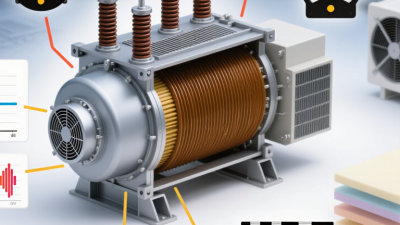
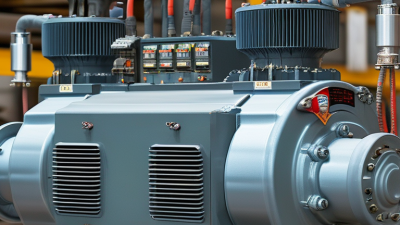
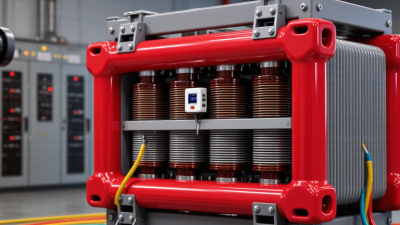
Martin Heathcote, a recognized transformer specialist and author of The J&P Transformer Book, describes transformers as “one of the most efficient machines ever devised.” That efficiency still depends on correct selection, installation, and maintenance. A cast resin design can reduce fire concerns and eliminate liquid leakage, but it is not automatically suitable for every environment. Engineers should examine rated power, insulation level, cooling method, short-circuit strength, noise limits, altitude, humidity, and enclosure protection. Small details matter. A blocked ventilation path can raise winding temperature.
In 2026, buyers should also request evidence of routine and type testing, applicable IEC compliance, partial-discharge performance, and documented quality controls. Ask how the manufacturer handles thermal imaging, resin inspection, spare parts, and service response. Do not rely on a polished brochure alone. Real projects often expose uncomfortable gaps between laboratory data and site conditions. Even experienced teams can overlook future load growth or harmonic distortion. A careful choice balances safety, efficiency, reliability, lifecycle cost, and honest uncertainty. That last part is easy to neglect.
Read more »

 By:Sophie
- October 28, 2026
 By:Ethan
- October 23, 2026
 By:Liam
- October 13, 2026