Choosing the best Vacuum Pressure Impregnated Dry Type Transformer in China requires more than comparing prices or catalog ratings. It demands practical knowledge of insulation systems, thermal performance, safety design, and long-term maintenance. A reliable transformer should match the site load, ambient conditions, installation space, and expected duty cycle.
Vacuum Pressure Impregnated Dry Type Transformer technology uses vacuum treatment and resin impregnation to strengthen winding insulation. This process can reduce moisture penetration and improve mechanical stability during temperature changes. In real projects, engineers inspect winding arrangement, cooling channels, partial discharge results, temperature-rise data, and noise levels. Small details matter. A loose connection can become a serious weakness.
Experienced Chinese manufacturers usually provide drawings, routine test reports, material records, and technical support before delivery. Buyers should verify compliance with applicable IEC or national standards, rather than accepting broad marketing claims. Factory audits can reveal useful evidence, including coil-winding cleanliness, curing controls, testing equipment, and traceability procedures. Ask for references from comparable installations. Then check how those transformers perform after several seasons.
“Best” is not universal. A compact transformer may suit an urban substation, while a heavily loaded industrial plant needs stronger cooling margins. Cost also deserves careful review. The cheapest quotation may exclude testing, spare parts, or commissioning support. In my view, the strongest choice balances verified performance, manufacturing discipline, responsive service, and realistic lifecycle value. Some specifications remain difficult to compare. That uncertainty should be acknowledged, not hidden.
What Is a Vacuum Pressure Impregnated Dry Type Transformer?
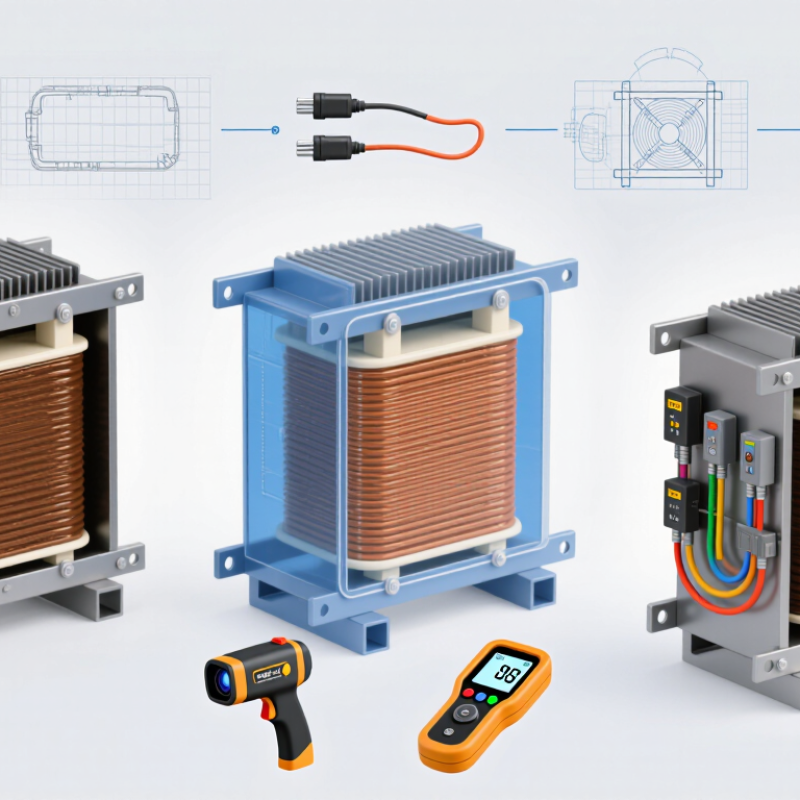
A vacuum pressure impregnated dry type transformer, or VPI transformer, uses solid insulation instead of liquid oil. Its windings are first dried under vacuum. Insulating resin then enters small air gaps under controlled pressure. After curing, the resin forms a hard protective layer around the conductors.
This process improves resistance to moisture, vibration, and surface contamination. It also reduces fire concerns in buildings, tunnels, and industrial rooms. IEC 60076-11 identifies dry-type transformers by insulation, temperature, and environmental performance requirements. Buyers should also check partial-discharge data, thermal class, impedance, and altitude ratings. The label “VPI” alone proves little.
Energy efficiency still matters. A U.S. Department of Energy distribution transformer technical report estimates transformer losses consume roughly 2–3% of electricity use in the United States. Choosing lower-loss cores can therefore reduce operating waste over decades. Field experience shows another point: VPI units are not maintenance-free. Dust on cooling ducts can raise winding temperature. Poor ventilation can shorten insulation life. That is easy to overlook. Resin also cannot repair incorrect protection settings or undersized cables. In practice, reliable selection requires verified test reports, clear installation conditions, and realistic load profiles. Some specifications remain too generic, and that deserves careful review.
How Vacuum Pressure Impregnation and Manufacturing Work
China Best Vacuum Pressure Impregnated Dry Type Transformer?
How Vacuum Pressure Impregnation and Manufacturing Work
A reliable vacuum pressure impregnated dry type transformer begins with disciplined manufacturing, not attractive specifications. Technicians form copper or aluminum windings around precise insulation systems. They check dimensions, conductor tension, and clearances before assembly. Even a small alignment error can affect cooling and electrical strength.
The finished coil enters a heated vacuum chamber. Vacuum removes air and moisture from tiny spaces within the insulation. Then resin enters under controlled pressure, filling those spaces around conductors and support materials. The coil receives several impregnation cycles when required. Temperature, pressure, resin viscosity, and holding time need documented control. Small details matter.
The impregnated winding is then cured in an oven. Technicians monitor the curing profile instead of relying only on surface appearance. After assembly, testing may include winding resistance, voltage ratio, insulation resistance, dielectric withstand, and partial discharge measurements. These results should match inspection records and design limits. A strong factory also traces materials by batch and keeps calibration records for test equipment.
The process is not magic. Trapped air can remain.
That weakness deserves honest review. Dust, poor drying, rushed curing, or uneven resin flow can reduce service reliability. Buyers should examine factory procedures, test reports, cooling design, enclosure protection, and after-sales inspection practices. The best transformer is not simply the one with the highest rating. It is the one manufactured consistently, tested carefully, and matched to its actual load, environment, and maintenance conditions.
Key Features of Chinese VPI Dry Type Transformers
China Best Vacuum Pressure Impregnated Dry Type Transformer?
Key Features of Chinese VPI Dry Type Transformers
Chinese VPI dry type transformers use vacuum pressure impregnation to saturate coil insulation with resin. The process reduces air gaps and supports stable dielectric performance. In practical inspections, engineers check resin coverage, curing quality, winding alignment, and terminal tightness. Small defects can become serious after years of thermal cycling.
These transformers commonly offer strong moisture resistance, low fire risk, and reduced maintenance. Their air-cooled design avoids oil leakage and simplifies indoor installation. Many units support customized voltage ratios, impedance values, enclosure designs, and cooling arrangements. Noise control also matters. Proper core clamping can reduce vibration in hospitals, workshops, and commercial buildings.
Reliable production requires more than attractive specifications. Factory tests should include insulation resistance, winding resistance, applied voltage, and partial discharge measurements. Temperature-rise testing provides useful evidence under realistic loads. Chinese manufacturers often combine international practices with domestic electrical standards, but documentation quality can vary. Ask for traceable test reports, material records, and clear warranty terms.
VPI insulation is not automatically waterproof. Poor storage or incomplete curing may still cause trouble. Installation needs clean airflow, correct clearances, and regular cleaning. A technically sound transformer can perform poorly in a dusty room. This point is easy to overlook.
China Best Vacuum Pressure Impregnated Dry Type Transformer? – Key Features of Chinese VPI Dry Type Transformers
VPI dry-type transformers commonly use Class F or Class H insulation systems. Their thermal classification corresponds to maximum insulation-system temperatures of 155°C and 180°C respectively, while the actual transformer temperature rise depends on the design, ambient conditions, cooling method, loading profile, and applicable standards. Vacuum pressure impregnation improves resin penetration, mechanical stability, and resistance to moisture and contamination.
Applications and Performance Requirements of VPI Transformers
Vacuum pressure impregnated (VPI) dry type transformers serve demanding electrical systems where fire safety, reliability, and compact installation matter. They are used in commercial buildings, rail facilities, wind projects, marine equipment, and industrial plants. Their resin-treated insulation resists moisture and mechanical vibration better than many conventional dry systems.
Application conditions determine the real performance requirement. A transformer near a coastal plant needs strong moisture resistance and corrosion control. A unit inside a tunnel may require low noise, limited heat release, and dependable ventilation. Engineers should check load profile, altitude, ambient temperature, harmonic current, short-circuit stress, and available maintenance space. Small details matter. A crowded enclosure can raise winding temperature quickly.
During technical inspections, I would review insulation class, temperature-rise data, partial-discharge results, impulse withstand level, and factory test records. VPI quality depends on resin penetration, curing control, and the condition of the winding before treatment. Thermal sensors should match the protection system, not merely fill a specification sheet. A rating can look convincing.
Long-term reliability also depends on installation. Dust, blocked airflow, loose terminals, and repeated overloads can shorten insulation life. Periodic cleaning and infrared inspection are practical measures. Some projects still underestimate harmonic heating from variable-frequency drives. That oversight deserves correction. A suitable VPI transformer should meet verified site conditions, not only a catalog rating.
How to Select a Reliable China VPI Transformer Manufacturer
China Best Vacuum Pressure Impregnated Dry Type Transformer?
Selecting a reliable China VPI transformer manufacturer requires more than comparing prices. Start with proven production experience in your voltage class, capacity range, and installation environment. Ask for project references with similar load profiles. Request factory photographs, production records, and testing procedures. Details matter.
A capable manufacturer should explain its vacuum pressure impregnation process clearly. Ask about resin type, curing temperature, vacuum duration, and winding preparation. The factory should perform insulation resistance, turns ratio, winding resistance, partial discharge, and temperature-rise tests. Require complete test reports for your specific transformer, not generic samples. Check whether measuring equipment is calibrated and traceable. Certificates alone are not enough.
Review drawing control, material traceability, packaging, delivery protection, and after-sales response. A serious supplier can provide inspection points before shipment and support installation with practical instructions. Confirm warranty terms, spare-part availability, and response times in writing. Visit the factory when the project is important. Observe cleanliness, winding storage, and operator discipline. Small signs can reveal larger risks.
No audit is perfect. I would still compare technical answers from several suppliers. A low quotation may omit testing, accessories, or proper moisture protection. That mistake becomes expensive later. Choose the manufacturer that communicates limitations honestly, corrects documents quickly, and proves performance with consistent records. Reliability is built in the workshop, then verified before delivery.
FAQS
Technicians form copper or aluminum windings around precise insulation systems. They check dimensions, tension, and clearances before assembly.
Heat and vacuum remove air and moisture from tiny insulation spaces. Resin then enters under controlled pressure and surrounds the conductors.
Multiple cycles can improve resin penetration. Trapped air may remain, though, so the process requires careful inspection.
The treated winding enters an oven. Technicians monitor the full curing profile, not only the surface appearance.
Common tests include winding resistance, voltage ratio, insulation resistance, dielectric withstand, and partial discharge measurements.
They suit commercial buildings, rail facilities, wind projects, marine equipment, and industrial plants. Applications may involve vibration or limited space.
They should check load profile, altitude, temperature, harmonics, short-circuit stress, ventilation, and maintenance space.
Dust, blocked airflow, loose terminals, and repeated overloads can increase winding temperature and shorten insulation life.
Periodic cleaning and infrared inspection can reveal overheating or poor connections. These steps are simple, but they are often delayed.
No. Selection should match the actual load, environment, cooling design, protection system, and maintenance conditions. A rating can look convincing.
Conclusion
A Vacuum Pressure Impregnated Dry Type Transformer is an environmentally friendly electrical transformer that uses solid insulation instead of liquid oil. Its windings are treated with insulating resin under vacuum and pressure, allowing the resin to penetrate deeply into the insulation materials and form a strong, moisture-resistant structure. The manufacturing process typically includes coil winding, drying, vacuum impregnation, pressure curing, testing, and quality inspection. This method improves mechanical strength, fire safety, insulation reliability, and resistance to humidity and partial discharge.
Chinese VPI dry type transformers are widely used in buildings, industrial facilities, renewable energy systems, transportation infrastructure, and other locations requiring safe and low-maintenance power distribution. When selecting a reliable manufacturer, buyers should evaluate design capabilities, production equipment, material quality, temperature-rise performance, efficiency, testing procedures, customization support, certifications, delivery capacity, and after-sales service. A suitable supplier should also understand the project’s voltage, capacity, installation environment, cooling requirements, and applicable electrical standards.