
URJA Techniques
URJA Technical Insights

Industrial Transformer Blog & Knowledge Hub

Expert engineering articles, maintenance guides, and industrial transformer innovations.

Engineering Excellence

Power & Distribution Transformer Articles

In-depth analysis of high-voltage designs, IS/IEC compliance, and operational standards.

Special Purpose Solutions

Dry Type & Hermetic Transformers Guide

Discover advanced cast resin dry type and zero-maintenance hermetically sealed transformer technology.

0%

Selecting the right Converter Duty Transformer can be challenging. Experts highlight the importance of tailored solutions for specific needs. John Smith, a recognized authority in power systems, states, "The right transformer can define the efficiency of your project."

Understanding the requirements is crucial. Many overlook the specifications that determine a transformer's effectiveness. Factors such as load type, voltage requirements, and environmental factors can significantly influence the choice. Inadequate attention to these details can lead to operational inefficiencies.

Consulting with professionals in the field often provides insight. However, even experienced engineers can make oversights. It’s vital to reassess choices regularly. The world of Converter Duty Transformers is ever-evolving. Stay informed about new technologies and best practices. The right choice today may not be optimal tomorrow.
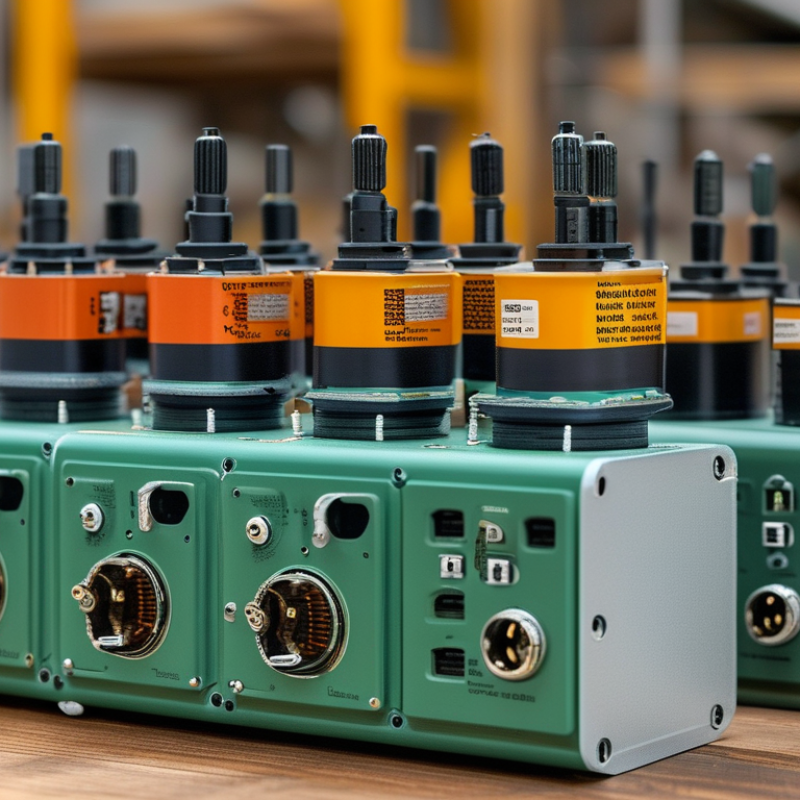
How to Choose the Right Converter Duty Transformer for Your Needs?

Understanding the Basics of Converter Duty Transformers

Converter duty transformers play a crucial role in various industrial applications. They are designed to handle specific loads that require conversion from one form of electrical energy to another. This typically involves substantial voltage changes and control over power quality. Understanding their basics is essential for making informed decisions in equipment selection.

When examining converter duty transformers, consider factors such as voltage ratings and thermal capacities. A transformer’s insulation type is also critical; it must withstand the unique stresses of converter duty situations. Additionally, the transformer should have adequate short-circuit protection and be rated for continuous duty.

Not all transformers serve the same purpose, however. Choosing the wrong model can lead to inefficiencies and potential equipment failure. This choice may also affect system reliability. Reflecting on the specific needs of your operation can guide your selection. Think carefully about load characteristics and operating conditions. Remember, the right converter duty transformer enhances overall system performance.

Converter Duty Transformer Selection - Power Ratings and Efficiency

Identifying Your Power Requirements and Load Characteristics

When selecting a converter duty transformer, understanding your power requirements and load characteristics is crucial. The electrical load can vary widely depending on the application. For instance, a study by the Electric Power Research Institute (EPRI) suggests that industrial facilities can experience load fluctuations of up to 40% during peak hours. This variability emphasizes the need for precise calculations to avoid under-sizing or over-sizing the transformer.

Consider the type of load your transformer will serve. Resistive loads, like heating elements, behave differently than inductive loads, such as motors. An IEEE report indicates that inductive loads can draw up to 6 times their rated current during startup. This can lead to excessive heat and potential transformer failure if not properly accounted for in your initial design. Additionally, understanding the power factor—often around 0.8 for industrial loads—is essential to calculate the true power needs accurately.

When assessing your requirements, always analyze future needs. A transformer rated for current operational demands may fall short as production increases. According to a survey from the National Electrical Contractors Association (NECA), 68% of businesses reported capacity issues within five years of their original installation. Taking an anticipatory approach ensures longevity and reliability in your electrical systems. Understanding these nuances can prevent costly mistakes and enhance operational efficiency in the long run.

Assessing Transformer Ratings and Efficiency Factors

When selecting the right converter duty transformer, understanding transformer ratings is crucial. These ratings indicate how much power the transformer can handle effectively. Look for kilovolt-amperes (kVA) rating, as it shows the transformer's capacity. One should not overlook the importance of voltage ratings as well. A mismatch can lead to overheating or inefficient performance.

Efficiency is another key aspect. A highly efficient transformer minimizes energy losses, which can save costs in the long term. Consider the efficiency curve of the transformer at different loads. Many manufacturers provide this data, which helps you assess real-world performance. Also, be wary of overly optimistic claims. Always seek data from reliable sources or real-world tests.

Reflecting on your specific needs is vital. Different applications may require different types of transformers. It's helpful to evaluate the load type, operating environment, and potential growth in demand. Each application brings unique challenges and requirements. Adjust your selection process based on these reflections to ensure you choose the right transformer for sustainability and efficiency.

Evaluating Installation and Maintenance Considerations

When evaluating installation and maintenance considerations for a converter duty transformer, focus on your specific environment. Understanding the layout of your facility is crucial. Ensure there is enough space around the transformer for proper ventilation and ease of access for maintenance.

Building foundations should support the transformer’s weight. Vibration control is essential to minimize wear over time. Watch for any environmental factors, like humidity or dust, which might affect performance.

Tips: Regularly inspect the transformer’s connections. Look for signs of overheating or corrosion. Utilize a checklist during maintenance to ensure performance and safety standards.

Remember, routine checks can prevent significant issues. Keeping an eye on your transformer can lead to long-term efficiency. Re-evaluate your space and maintenance schedule periodically. Reflections on past maintenance can help improve future practices.

Selecting a Reliable Manufacturer and Supplier for Your Transformer

Selecting a reliable manufacturer and supplier for your transformer is essential for long-term success. Look for companies with a proven track record in the industry. Experience matters; seasoned manufacturers often understand the intricacies of different power requirements. When choosing a supplier, consider their expertise and the range of products they offer. This breadth often indicates their ability to meet specific needs.

Research is crucial. Verify the manufacturer’s credentials and certifications. Trusted suppliers will have documentation that showcases their commitment to quality. Don't shy away from asking for references. Engaging with past clients may reveal insights about their reliability and service. Transparent communication is a key factor in any partnership. You want your supplier to be responsive and helpful.

Think about testing and support services too. Robust after-sales support from your supplier can alleviate future issues. A manufacturer dedicated to customer satisfaction will provide guidance on installation and maintenance. Being proactive can save you from costly errors. Better to clarify doubts than face regret later. The goal is to establish a partnership with a supplier who embodies professionalism and integrity.

How to Choose the Right Converter Duty Transformer for Your Needs?
Specification Value Considerations
Power Rating 1 MVA Ensure it meets load requirements
Voltage Ratio 480V / 230V Match input and output voltages
Efficiency ≥ 98% Look for high-efficiency models
Cooling Method Oil-immersed Consider environment and application
Frequency 50 Hz / 60 Hz Ensure compatibility with equipment
Physical Size Dimensions 6'x4'x5' Plan for installation space
Winding Material Copper Copper is preferred for conductivity
Noise Level < 60 dB Consider local regulations and needs

FAQS

: What is the importance of transformer ratings?

: Transformer ratings indicate the power a transformer can effectively handle. They are crucial for selecting the right device.

How can kilovolt-amperes (kVA) help in selection?

The kVA rating shows the transformer's capacity. It helps ensure the transformer meets your specific power requirements.

Why should I consider efficiency in a transformer?

A highly efficient transformer minimizes energy losses. This can lead to cost savings over time.

What should I be cautious about regarding efficiency claims?

Be wary of overly optimistic claims. Always seek reliable data or real-world tests to assess performance.

How does the load type affect transformer selection?

Different applications need different transformers. Evaluate your load type and environment for the best match.

Why is it important to select a reliable manufacturer?

A seasoned manufacturer understands diverse power requirements. Their experience ensures better support and product quality.

What should I check in a manufacturer's credentials?

Verify their certifications and documentation to ensure commitment to quality. This builds trust in the supplier.

How can after-sales support be beneficial?

Good after-sales support can prevent future issues. It helps with installation and maintenance, saving you from mistakes.

What role does transparent communication play in supplier selection?

Open communication ensures you can address issues quickly. It fosters a better working relationship and partnership.

Why is it vital to reflect on specific needs?

Each application has unique challenges. Reflecting on your requirements helps you choose an efficient and suitable transformer.

Conclusion

When selecting a Converter Duty Transformer, it is essential to understand the fundamental principles behind its operation and design. Begin by clearly identifying your power requirements and load characteristics to ensure that the transformer will meet your specific needs. Assessing transformer ratings and efficiency factors is crucial, as these will impact both performance and operational costs over time.

In addition to the technical specifications, evaluating installation and maintenance considerations will help you achieve optimal reliability and longevity from your transformer. Finally, selecting a trustworthy manufacturer and supplier is important to ensure that you receive a quality product backed by support and expertise. By following these guidelines, you can confidently choose a Converter Duty Transformer that aligns with your operational goals and requirements.

Liam

Liam

Liam is a dedicated marketing professional with a deep expertise in our company's innovative products and services. With years of experience in the industry, he has developed a sharp understanding of market trends and customer needs, allowing him to craft targeted strategies that enhance our......