
URJA Techniques
URJA Technical Insights

Industrial Transformer Blog & Knowledge Hub

Expert engineering articles, maintenance guides, and industrial transformer innovations.

Engineering Excellence

Power & Distribution Transformer Articles

In-depth analysis of high-voltage designs, IS/IEC compliance, and operational standards.

Special Purpose Solutions

Dry Type & Hermetic Transformers Guide

Discover advanced cast resin dry type and zero-maintenance hermetically sealed transformer technology.

0%

Electric Furnace Transformers (EFTs) play a crucial role in the steel and metal industries. According to the International Energy Agency, the demand for EFTs has increased by 30% over the last decade. This surge is driven by the rising need for efficient metal processing. Industry expert Dr. Mark Johnson, a leading engineer at PowerTech Solutions, emphasizes, “The performance of electric furnace transformers directly influences production efficiency.”

Understanding how an Electric Furnace Transformer operates is vital for optimizing industrial processes. These devices convert high-voltage electricity to lower voltages suitable for electric furnaces. Their design ensures stability and high efficiency. Moreover, as manufacturers invest in modernizing their facilities, the significance of reliable EFTs cannot be understated. However, the complexities in their operation may lead to costly mistakes, highlighting the need for ongoing training and expertise.

Organizations must analyze their EFT systems critically. While many consider them just components, they are pivotal in production quality and cost control. Ensuring the optimal performance of Electric Furnace Transformers means understanding their nuances. Continuous learning in this field is essential to prevent operational pitfalls and maximize productivity.
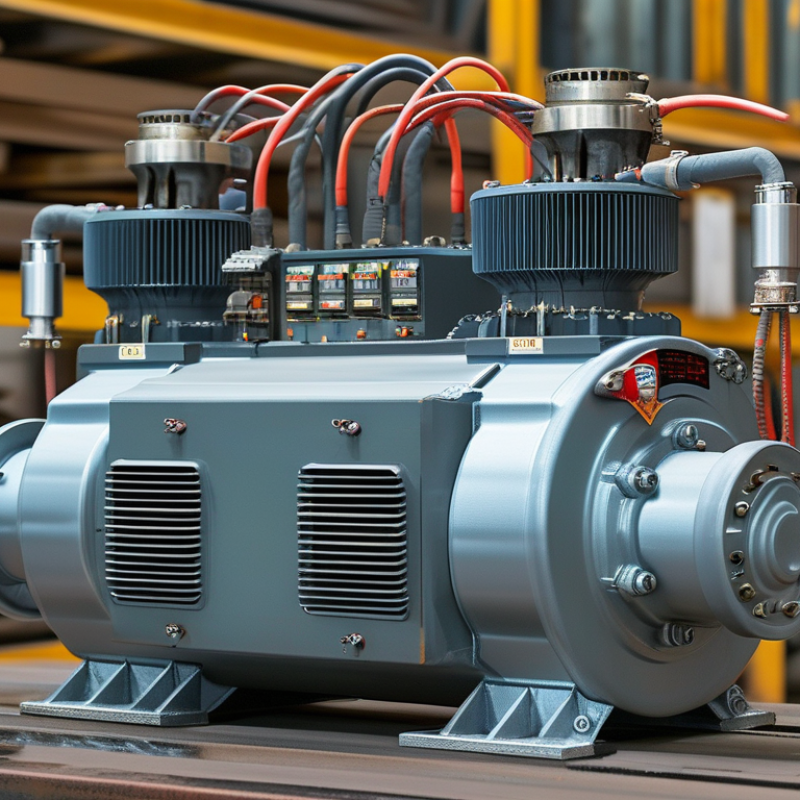
What is an Electric Furnace Transformer and How Does It Work?

What is an Electric Furnace Transformer?

An electric furnace transformer is a critical component in industrial heating systems. It adjusts the voltage to appropriate levels for electric arc furnaces, which are widely used in steel production. The transformer ensures that high voltage from the power grid is safely converted for operational use. According to a report by the Electric Power Research Institute, nearly 70% of electric arc furnaces rely on these transformers to achieve optimal efficiency.

These transformers can handle high levels of power. They transform voltage levels, reducing them to a safer range. This is vital in preventing equipment damage and enhancing worker safety. They also play a role in reducing energy consumption. A study by the International Energy Agency highlights that efficient transformer operation can improve overall energy use by up to 30%.

However, not all electric furnace transformers perform equally. Some may struggle under heavy loads or display inefficiencies, especially as they age. Regular maintenance is critical to avoid costly downtimes. Studies indicate that inspecting transformer components annually can prevent up to 50% of potential failures. This serves as a reminder of the importance of proactive maintenance in industrial settings.

What is an Electric Furnace Transformer and How Does It Work?

Feature Description
Function Transforms high voltage power to a lower voltage suitable for electric furnaces.
Types Step-down transformer, isolation transformer.
Components Core, windings, insulation, cooling system.
Operating Principle Relies on electromagnetic induction to convert voltage levels.
Efficiency High efficiency, typically above 95% in optimal conditions.
Applications Steelmaking, glass production, heat treatment processes.
Maintenance Requires regular inspections, oil checks, and cooling system maintenance.

The Role of Electric Furnace Transformers in Industrial Applications

Electric furnace transformers play a crucial role in various industrial applications, particularly in steel production and metal refining. These transformers convert electrical energy into a usable form for electric arc furnaces, enabling them to melt large quantities of scrap metal efficiently. According to the American Iron and Steel Institute, nearly 70% of steel in the United States is produced using electric arc furnaces, highlighting the significance of transformers in this sector.

These devices must handle high voltages and currents. Typical electric furnace transformers operate at 10,000 to 30,000 amperes and require robust insulation and cooling systems. Proper design ensures they can endure extreme conditions. Industrial reports indicate that transformer inefficiencies can lead to substantial energy losses, reaching up to 15%. Therefore, continuous improvement in technology is essential, as outdated models impact overall productivity and sustainability.

Increased demand for energy-efficient solutions drives innovation. Modern transformers are now equipped with smart monitoring systems. These systems enable real-time performance tracking and predictive maintenance, minimizing unexpected downtimes. However, some facilities still rely on antiquated models, leading to reduced energy efficiency and increased operational costs. The challenge lies in upgrading without disrupting ongoing operations. Transitioning to advanced transformers is necessary for long-term benefits, but immediate investment remains a complex decision.

How Electric Furnace Transformers Convert Voltage for Heating

Electric furnace transformers play a crucial role in converting voltage for heating applications. These transformers take high-voltage electricity and reduce it to a lower voltage suitable for industrial furnaces. This process is essential, as it ensures safe operation and optimum energy use. High voltage can be dangerous, so the transformer effectively reduces this risk while maintaining efficiency.


The conversion process involves electromagnetism principles. The primary winding of the transformer draws in high voltage electricity. This electricity creates a magnetic field that induces a lower voltage in the secondary winding. This transformation helps deliver power directly to the heating elements of the furnace. It is a straightforward yet effective method to ensure furnaces operate efficiently without overwhelming them with voltage.


While electric furnace transformers are efficient, they are not without flaws. Over time, they may suffer from insulation issues or overheating. Regular maintenance becomes critical to ensure longevity and reliability. Users must pay attention to these aspects. An informed approach can significantly enhance performance and minimize failures. Monitoring operational parameters is necessary in this context.

Key Components and Design Features of Electric Furnace Transformers

Electric furnace transformers are crucial in the metal industry, particularly in electric arc furnaces. Their primary role is to step down high voltage to safer operational levels. This transformation allows the furnaces to effectively melt metals. The design of these transformers is robust, often featuring oil-filled tanks for cooling and insulation. The cooling system is vital to maintain efficiency and prolong the lifespan of the transformer. Data from industry reports indicates that proper cooling can enhance transformer lifespan by up to 30%.

Key components include the core and winding assemblies. The core is typically made of high-grade silicon steel, which reduces energy losses. Windings are crafted from copper or aluminum, tailored to handle significant current loads. A well-designed winding can minimize heat generation during operation. Efficient transformers boast losses as low as 1% during full load, illustrating how design quality impacts energy efficiency.

Despite advancements, challenges remain. Aging infrastructure often leads to inefficiencies. Regular maintenance is essential but can be costly. Furthermore, integrating advanced monitoring systems can greatly enhance performance. Reports suggest that real-time data analytics can reduce downtime by up to 25%. Continuous reflection on these design features and operational strategies is paramount for ensuring optimal performance.

Electric Furnace Transformer Performance Overview

Safety and Maintenance Considerations for Electric Furnace Transformers

Electric furnace transformers play a crucial role in various industrial applications by converting high voltage electricity into a usable form for electric furnaces. However, safety and maintenance are vital for their efficiency and longevity. Regular inspections are necessary to detect any signs of wear, especially in connections and insulation. According to the National Fire Protection Association (NFPA), improperly maintained transformers can lead to electrical failures and potential hazards.

Proper grounding is essential to ensure that transformers operate safely. Grounding prevents electrical surges and reduces the risk of shock. In a recent report by the International Electrotechnical Commission (IEC), over 30% of transformer failures were linked to inadequate grounding practices. Implementing regular training for maintenance personnel can significantly enhance safety protocols.

Operating conditions also affect the lifespan of transformers. Extreme temperatures and humidity levels can deteriorate their components. Keeping the operating environment within recommended standards is critical. The IEC states that maintaining optimal conditions can extend a transformer's life by up to 40%. Regular maintenance checks, reinforced grounding practices, and attention to environmental factors are necessary for safe and efficient electric furnace transformer operation.

FAQS

: What is the main function of electric furnace transformers?

: They convert high-voltage electricity to lower voltage for safe heating in industrial furnaces.

How does the voltage conversion process work?

High voltage creates a magnetic field, inducing lower voltage in the transformer's secondary winding.

Why is regular maintenance necessary for electric furnace transformers?

They may face insulation issues or overheating over time, affecting reliability and performance.

What are the key components of electric furnace transformers?

They include a core made of silicon steel and windings typically made from copper or aluminum.

How do design features impact the efficiency of transformers?

A well-designed transformer can have energy losses as low as 1% at full load, improving efficiency.

What role does cooling play in transformer performance?

Proper cooling can increase transformer lifespan by up to 30% and maintain operational efficiency.

What challenges do electric furnace transformers face?

Aging infrastructure can lead to inefficiencies, requiring costly regular maintenance and upgrades.

How can advanced monitoring systems benefit transformer performance?

Implementing real-time data analytics can reduce downtime by up to 25%, improving operational efficiency.

What should users monitor for optimal transformer operation?

They need to track operational parameters to enhance performance and minimize potential failures.

Are electric furnace transformers flawless in their operation?

No, they have vulnerabilities that require continuous reflection and improvement strategies.

Conclusion

An Electric Furnace Transformer is a crucial component in industrial applications, serving to convert high voltage electricity into the specific voltages required for electric furnace operations. This conversion is essential for ensuring efficient and precise heating processes in a variety of industries. Electric Furnace Transformers are designed with key components, such as tap changers and insulation systems, which enhance their efficacy and reliability.

In addition to their operational roles, safety and maintenance are paramount considerations for Electric Furnace Transformers. Proper upkeep of these transformers ensures longevity and minimizes risks associated with electrical hazards. Understanding their functionality and adhering to maintenance protocols are vital for maximizing the performance and safety of electric furnaces in industrial settings.

Liam

Liam

Liam is a dedicated marketing professional with a deep expertise in our company's innovative products and services. With years of experience in the industry, he has developed a sharp understanding of market trends and customer needs, allowing him to craft targeted strategies that enhance our......