
Expert engineering articles, maintenance guides, and industrial transformer innovations.
In-depth analysis of high-voltage designs, IS/IEC compliance, and operational standards.
Discover advanced cast resin dry type and zero-maintenance hermetically sealed transformer technology.
In the rapidly evolving landscape of electrical utilities, understanding the nuances of Power Distribution Transformers is crucial. Experts like Dr. Emily Frost, a renowned scholar in the field, emphasize that "choosing the right transformer can significantly impact operational efficiency." Her insights underline the importance of making informed decisions when purchasing these critical components.
The demand for Power Distribution Transformers has surged, driven by advancements in renewable energy integration and urban development. As businesses strive for energy efficiency and sustainability, selecting the right transformer becomes paramount. It's not merely a technical choice; it's a strategic decision that influences future performance.
Prospective buyers often face challenges. Factors such as voltage ratings, load capacity, and cooling methods require careful consideration. In this guide, we aim to illuminate these complexities. While some decisions may seem straightforward, the impact of overlooking specific details can lead to costly mistakes. Tapping into expert advice and thorough research is essential for making the best purchase choices in this indispensable industry.
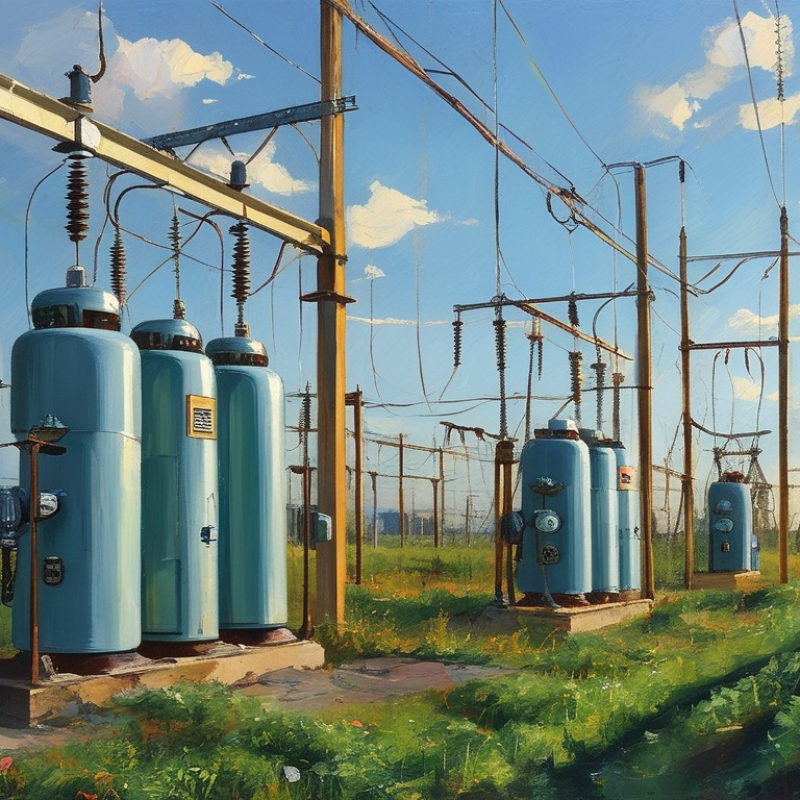
Power distribution transformers play a crucial role in the electrical grid. They convert high-voltage electricity from transmission lines to a lower voltage suitable for local distribution. According to industry reports, around 70% of electricity globally is distributed through these transformers. Their reliability significantly impacts the overall efficiency of power systems.
The importance of power distribution transformers cannot be overstated. They ensure voltage stability, which is essential for the smooth operation of electrical equipment. Inadequate voltage regulation can lead to equipment failure, costing industries millions. A report from the International Energy Agency highlights that over 20% of energy loss in distribution can be attributed to inefficient transformers. This underlines the need for companies to invest in high-quality solutions.
However, not all transformers meet the necessary standards. Some may fall short in performance, leading to increased maintenance costs. Regular assessments are vital to ensure transformers operate efficiently. Data from the U.S. Department of Energy indicates that upgrading to modern transformers can improve efficiency by up to 15%. Such insights encourage stakeholders to reflect on their current systems and consider advancements for future needs.
When selecting a power distribution transformer, various key factors come into play. One critical aspect is the transformer's capacity. According to industry reports, transformers typically range from 25 kVA to over 5,000 kVA, depending on the application. Understanding the load requirements of the facility is essential. An oversized transformer can lead to inefficiencies, while an undersized unit may result in overheating.
Another key factor is the efficiency rating of the transformer. The Department of Energy indicates that higher efficiency transformers can save significant operational costs. Energy losses typically range from 2% to 4% in standard transformers, but premium efficiency models can lower this to about 1%. This efficiency translates into long-term savings on utility bills and helps reduce the carbon footprint.
Installation and maintenance considerations also matter. The choice of transformer must account for environmental factors like temperature and humidity. For example, some locations may require weatherproof units. Regular maintenance should be planned, as neglecting minor issues can lead to larger failures. Balancing these details can be complex but is crucial for optimal transformer performance.
This bar chart illustrates the key factors to consider when selecting a power distribution transformer. The values represent various important specifications such as efficiency, size, price, and durability, enabling buyers to make informed decisions based on these critical parameters.
When exploring the various types of power distribution transformers available in the market, it's essential to consider their specific applications and features. Different transformers serve unique roles in electrical systems. For instance, pole-mounted transformers are often used in rural areas. Their ability to save space and provide reliable power distribution makes them a popular choice. Additionally, pad-mounted transformers offer increased protection and accessibility, making them suitable for urban environments.
Another category is the underground distribution transformer. These transformers are designed to be buried underground, ensuring safety and aesthetic preservation. However, they can be more challenging to maintain due to their location. Oil-filled transformers are common in substations, providing efficient cooling and enhanced performance. Yet, they require careful handling to prevent environmental contamination.
While each transformer type has advantages, there are drawbacks to consider. The initial installation costs can be high, and the ongoing maintenance may require specialized knowledge. These factors can impact long-term decisions for buyers. Understanding the specific requirements of your electrical system will aid in choosing the right transformer type. It's crucial to weigh these considerations based on your direct experience and technical understanding.
| Transformer Type | Voltage Rating (kV) | Power Rating (kVA) | Frequency (Hz) | Cooling Type | Core Material |
|---|---|---|---|---|---|
| Dry Type Transformer | 12 | 100 | 50 | Natural air | Silicon steel |
| Oil-Immersed Transformer | 33 | 250 | 60 | Oil cooling | CRGO steel |
| Pad-mounted Transformer | 15 | 100 | 60 | Natural air | Silicon steel |
| Substation Transformer | 38 | 500 | 50 | Forced oil | CRGO steel |
| Isolation Transformer | 12 | 75 | 50 | Natural air | Silicon steel |
| Three-Phase Transformer | 24 | 400 | 60 | Natural air | CRGO steel |
| Single-Phase Transformer | 10 | 30 | 50 | Natural air | Silicon steel |
| Auto Transformer | 22 | 200 | 50 | Forced air | CRGO steel |
| Cast Resin Transformer | 15 | 150 | 50 | Natural air | Silicon steel |
| Step-Up Transformer | 30 | 1000 | 60 | Forced oil | CRGO steel |
When looking for power distribution transformers, selecting the right brand can greatly impact efficiency and longevity. Leading manufacturers often showcase their commitment to quality through rigorous testing and adherence to international standards. These brands are known for producing transformers that resist wear and ensure reliable performance. Each manufacturer has unique strengths, whether that’s advanced technology or robust customer support.
The market is filled with options. Not every brand operates at the same level of excellence. Some may have impressive features but lack in customer service. Others might excel in reliability but fall short on innovations. It’s essential to consider not only the product but also the support system behind it. Exploring user reviews and expert evaluations can provide valuable insights.
Considering the complexities involved, partnerships with manufacturers should be thought through. Engaging with brands that show a history of reliability and trust helps ensure long-term satisfaction. Making decisions based on comprehensive research is vital. Not every choice will be perfect, and learning from past experiences can guide future purchases. This careful selection process fosters a more informed approach, ultimately benefiting your project’s success.
When evaluating power distribution transformers, pricing and deals are critical factors. Recent industry reports indicate that transformer prices can vary significantly. A reputable source estimated the average costs to range from $5,000 to $30,000, depending on specifications. Many factors influence pricing, including transformer type, capacity, and applications. Understanding these elements helps buyers identify quality products.
It's essential to analyze the long-term operational costs as well. A recent study showed that poorly selected transformers can increase energy losses by up to 10%. This hidden cost can outweigh initial savings from cheaper options. Buyers should evaluate efficiency ratings carefully. Mid-range efficiency models might save upfront costs but lead to higher expenses over time.
When looking for deals, focus on suppliers with a solid reputation. Industry experience often correlates with reliability. Look for vendors that offer warranties and after-sales support. A trusted partner can provide valuable insights into optimizing performance and longevity. Prices should not be the sole criterion; ensuring reliable operations is paramount. Knowing how to balance cost with quality can prevent future headaches and significant losses.
: Key factors include capacity, efficiency rating, installation, and maintenance needs.
An oversized transformer can cause inefficiencies, while an undersized one may overheat. Balance is crucial.
Higher efficiency transformers save on operational costs. They can significantly reduce energy losses.
Common types include pole-mounted, pad-mounted, underground, and oil-filled transformers, each with unique features.
High installation costs and specialized maintenance for certain transformers can be challenging.
Temperature and humidity must be considered, especially for locations requiring weatherproof units.
Neglecting small issues can lead to larger failures, impacting efficiency and lifespan.
Reliable brands often ensure better performance, but not all brands maintain high standards.
User experiences offer valuable insights, helping to direct choices toward more reliable options.
Both are important. A product may have great features, but poor support can lead to dissatisfaction.
Power Distribution Transformers play a crucial role in the electrical distribution network, ensuring that electricity is efficiently transformed to suitable voltages for residential, commercial, and industrial use. When selecting a Power Distribution Transformer, it is vital to consider key factors such as capacity, efficiency, and environmental compatibility. The market offers various types of transformers, each designed for specific applications, which can make the selection process complex.
Moreover, potential buyers should familiarize themselves with the leading brands and manufacturers to ensure quality and reliability. Evaluating different pricing options and understanding the market trends can greatly aid in finding the best deal. Ultimately, a thorough awareness of these elements will empower buyers to make informed decisions when investing in a Power Distribution Transformer.