
A Hermetically Sealed Transformer is designed to protect its internal insulation system from atmospheric moisture, oxygen, and contaminants. Unlike conservator-type transformers, it uses a sealed tank and controlled internal pressure. This design helps preserve transformer oil and supports stable performance in demanding electrical environments.
The sealed enclosure usually includes a welded steel tank, cooling fins, bushings, oil, and a pressure-relief device. During operation, oil expands as temperature rises. The tank must accommodate this change without allowing outside air to enter. That detail matters. Moisture can weaken insulation, accelerate aging, and increase maintenance concerns over time.
Understanding this equipment requires more than reading a product brochure. Engineers examine load patterns, ambient temperatures, altitude, installation conditions, and protection settings. Factory testing, oil quality checks, leak inspections, and routine temperature monitoring all influence reliability. Industry standards provide useful guidance, but site conditions still deserve careful judgment.
This article explains how a Hermetically Sealed Transformer works, where it is commonly used, and why its sealed construction can reduce maintenance needs. It also considers practical limitations, including pressure management, heat dissipation, and fault response. The technology is reliable, but not perfect. A sealed tank cannot correct poor sizing, inadequate ventilation, or neglected inspections.
Small details matter. A damaged gasket or overlooked bushing can become a serious weakness. Clear specifications and disciplined commissioning therefore remain essential. With practical evaluation and competent maintenance, this transformer design can provide efficient, long-term service in distribution and industrial power systems.
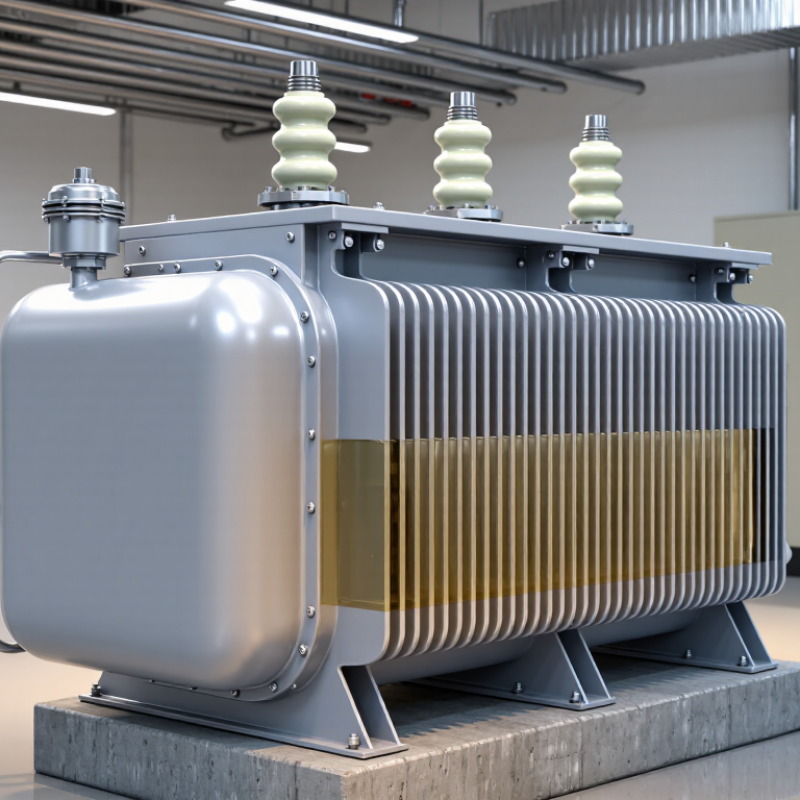
A hermetically sealed transformer is a liquid-immersed transformer with a welded tank and sealed expansion space. Its core purpose is simple: isolate the insulating liquid from air, moisture, and contaminants. The sealed tank also reduces oxidation and limits sludge formation during service. Unlike a conservator-type design, it normally does not require a separate oil reservoir.
This protection matters because distribution transformers operate for decades under changing loads. The U.S. Department of Energy’s 2016 technical support document estimated that distribution transformers consume about 61 billion kilowatt-hours annually in the United States. Even small efficiency losses become significant across large networks. IEC 60076-1 also emphasizes insulation, temperature, and pressure requirements for power transformers. A hermetic design supports stable insulation, but it does not remove the need for testing.
In field work, technicians still check oil quality, tank pressure, bushings, seals, and temperature rise. The assumption that “sealed” means maintenance-free is tempting, but incomplete. Poor installation or overload can still shorten service life. Tips: Confirm the required cooling class, altitude, ambient temperature, and expected load profile. Review factory test records, especially leak, pressure, and dielectric tests. A practical detail matters: leave enough clearance around radiators for heat to escape. In some projects, a sealed tank may complicate fault diagnosis. That trade-off deserves honest review.
| Data Dimension | Definition or Typical Characteristics | Practical Significance |
|---|---|---|
| Basic Definition | A hermetically sealed transformer is a transformer whose tank and insulating system are sealed from direct contact with the outside atmosphere during normal operation. | Limits the entry of moisture, oxygen, dust, and other contaminants into the transformer. |
| Common Transformer Type | The design is widely associated with oil-immersed distribution transformers, although the exact construction varies by application and manufacturer. | Provides a compact and environmentally isolated solution for electrical distribution systems. |
| Main Insulating Medium | The active parts are commonly immersed in mineral insulating oil or an approved ester-based insulating liquid. The selected fluid depends on insulation, fire-safety, environmental, and operating requirements. | The liquid provides electrical insulation and transfers heat from the windings and core to the tank walls or cooling surfaces. |
| Core Purpose | The primary purpose is to preserve the condition of the insulating liquid and solid insulation by separating them from atmospheric moisture and oxygen. | Helps reduce oxidation, sludge formation, dielectric deterioration, and insulation aging when the transformer is correctly designed and operated. |
| Tank Arrangement | The transformer tank is designed as a sealed enclosure. Pressure changes caused by heating and cooling are accommodated by a suitable tank design, flexible walls, a gas space, or another engineered pressure-management arrangement. | Maintains the sealed condition while allowing for normal changes in liquid volume and internal pressure. |
| Conservator Tank | A conventional hermetically sealed transformer normally does not use an open-breathing conservator tank. Some sealed designs may use a specialized sealed expansion arrangement. | Eliminates or reduces the need for a breather system that would otherwise control air exchange with the conservator. |
| Breather Requirement | Because the main tank is isolated from ambient air, a silica-gel breather is generally not required for a fully sealed design. The specific design documentation remains the controlling reference. | Reduces routine maintenance associated with breather replacement, inspection, and moisture management. |
| Cooling Method | Natural oil circulation with natural air cooling is common in distribution applications. Larger or specialized units may use additional cooling methods. | Removes heat produced by load current and core losses while keeping the winding temperature within its permissible operating range. |
| Moisture Protection | The sealed tank, sealed bushings, gaskets, welds, and other interfaces are designed to prevent moisture ingress during normal service. | Moisture control supports higher dielectric strength and helps protect paper and pressboard insulation. |
| Oxygen Protection | Limiting contact between the insulating liquid and atmospheric oxygen slows oxidation compared with an exposed oil surface, although it does not stop aging completely. | Can help maintain oil quality and reduce the formation of oxidation by-products over the service life. |
| Typical Application | Common applications include utility distribution networks, renewable-energy collection systems, commercial facilities, industrial sites, and locations where low routine maintenance is valuable. | Suitable for outdoor or remote installations where access for frequent maintenance may be limited. |
| Voltage and Power Range | Voltage ratings, power ratings, impedance, insulation levels, and connection arrangements are selected for the electrical system. There is no single universal rating for all hermetically sealed transformers. | The transformer must be specified according to system voltage, load demand, fault level, installation conditions, and applicable standards. |
| Maintenance Profile | Routine work may include visual inspection, checking for leaks or corrosion, monitoring temperature and pressure indicators where fitted, testing protective devices, and performing condition-based electrical or oil tests. | A sealed design can reduce maintenance needs, but it does not eliminate inspection, testing, or safety procedures. |
| Leak-Tightness Requirement | Tank welds, covers, valves, bushings, gaskets, and pressure-relief components must remain leak-tight throughout normal operating conditions. | Prevents loss of insulating liquid and protects the internal insulation system from atmospheric contamination. |
| Pressure Management | A sealed transformer must account for pressure increases during heating, pressure decreases during cooling, and possible abnormal internal events. Pressure-relief equipment may be fitted where required by the design. | Helps protect the tank and personnel from excessive internal pressure while preserving normal hermetic operation. |
| Advantages | Typical advantages include reduced exposure to atmospheric contamination, no regular air-breather servicing for fully sealed designs, compact construction, and potentially lower routine maintenance. | Can improve installation practicality and support reliable operation in suitable service environments. |
| Limitations | A sealed enclosure does not prevent all aging mechanisms. Overloading, excessive temperature, manufacturing defects, leaks, moisture introduced during assembly, or abnormal pressure can still cause deterioration. | Correct specification, commissioning, protection, thermal loading, and condition monitoring remain essential. |
| Comparison with an Open-Breathing Design | An open-breathing transformer permits controlled air exchange, usually through a conservator and breather. A hermetically sealed transformer isolates the insulating system from routine atmospheric exchange. | The sealed arrangement offers stronger environmental isolation, while the open-breathing arrangement may provide different expansion and inspection practices. |
| Core Components | Typical components include a magnetic core, high-voltage and low-voltage windings, insulating liquid, sealed tank, bushings, tap connections where specified, cooling surfaces, gaskets, and protective devices. | Together, these components transform voltage, provide insulation, dissipate heat, and maintain mechanical and environmental integrity. |
| Operational Objective | The transformer transfers electrical energy between voltage levels while maintaining adequate insulation, thermal performance, mechanical strength, and protection against external contamination. | Supports safe and dependable power distribution over the intended service life. |
It keeps insulating liquid isolated from outside air. This limits moisture, oxygen, dust, and contamination inside the tank.
The core guides magnetic flux. Copper windings transfer energy. Insulating liquid removes heat and separates energized parts.A steel tank protects everything.
Welded joints, gaskets, bushings, and pressure devices help maintain enclosure integrity. Flexible corrugated walls absorb liquid expansion during heating.
They suit coastal substations, dusty plants, underground facilities, and renewable-energy sites. Sealed construction helps in humid or difficult locations.
Usually, yes. It may not need a conservator or silica-gel breather. However, it is not maintenance-free.That assumption is risky.
Check gaskets, welds, bushings, and pressure relief devices. Look for oil stains, corrosion, bulging, damaged fittings, or unusual temperatures.
Sealing does not fix chronic overloading or poor ventilation. Record load, ambient temperature, and top-oil temperature during demanding periods.Heat still matters.
Infrared scans can reveal abnormal heating without opening the tank. Oil analysis may identify overheating or internal electrical problems.Test trends matter more than one reading.
Not casually. Breaking the seal can introduce contamination and increase service complexity. Use approved procedures and trained personnel.Field assumptions need review.
A Hermetically Sealed Transformer is a power transformer designed with a completely enclosed tank that prevents direct contact between the insulating liquid and outside air. Its core, windings, insulation system, sealed tank, cover, bushings, and pressure-control features work together to provide reliable electrical performance. By eliminating oxygen and moisture from entering the tank, hermetic sealing helps slow insulation aging, reduce oxidation, and protect the transformer from contamination. This structure also limits the need for an oil conservator and reduces exposure to environmental conditions.
These transformers are especially suitable for outdoor installations, humid or dusty locations, industrial facilities, renewable energy systems, and areas with significant temperature changes. Their main benefits include lower maintenance needs, improved insulation life, reduced risk of oil deterioration, and dependable operation in demanding environments. Even so, regular inspections remain important. Operators should check for leaks, unusual temperature increases, pressure-related signs, bushing damage, and abnormal noise, while following appropriate testing and service procedures throughout the transformer’s operating life.